
Data Analysis, Research and Professional Development Department (DARPDD)
The Department is intended to provide students with applied learning in data analysis, evidence-based research, professional development and practical academic growth, while creating pathways for future career readiness and research participation.
Department introduction
The DARPDD is intended to support students with structured learning in data analysis, research, professional development, and practical application of academic knowledge. The department creates a framework for practical learning, feedback, weekly assignments and applied research exposure.
Vision
To build a vibrant community of analytical, research-oriented and professionally prepared students who can contribute to academic excellence, innovation and evidence-based decision-making.
Mission
To provide practical, student-centred learning in data analysis, statistical reasoning, research methodology and professional development through accessible training, guided projects and structured assessment.
Objectives
Build practical analytical skills
Support students in understanding data, interpreting results and applying evidence in academic and professional contexts.
Strengthen research capability
Develop research methodology, literature engagement and applied thinking across academic and professional work.
Promote professional development
Create pathways for career readiness, learning discipline and professional communication.
Encourage digital learning
Support online learning, practical assignments and interactive participation in modern analytics tools.
Proposed training programmes
The following areas are proposed for development and are clearly presented as future or intended programme areas, rather than as already-verified programme outcomes.
Spreadsheet analysis, dashboards and practical business/professional data handling.
Quantitative analysis and practical statistical interpretation for coursework and applied research.
Data processing, visualisation and reproducible statistical analysis.
Data cleaning, analysis, exploratory work and applied analytics.
Applied statistical analysis and research-oriented workflow support.
Insightful reporting, dashboarding and data communication.
Study design, research questions, literature review and structured investigation.
Model interpretation, result discussion and evidence-based reporting.
Research skills for classroom projects, assignments and early professional work.
Online learning model
The intended learning model includes online sessions, practical assignments, weekly projects, assessments and examinations. This approach is designed to support flexible participation while maintaining structure, accountability and continuous learning.
Weekly projects and assignments
Students are expected to participate in practical tasks designed to reinforce theoretical content. Weekly tasks may include data exercises, short research activities, analysis assignments, presentation preparation and portfolio-building activities that support practical understanding.
Assessments, examinations and feedback
Assessment and feedback are intended to support learning progression through practical exercises, topic-based assignments, moderated evaluations and examinations. The aim is to provide constructive guidance, identify improvement areas and support quality learning outcomes.
MANU certification approach
Successful programme participants are intended to receive MANU-issued certificates, subject to approved programme arrangements and the completion of required learning activities and assessments. This is a planned certification framework and should not be presented as a guarantee of all programme outcomes.
Research and professional development opportunities
Students will be supported to develop research confidence through guided inquiry, data-driven analysis and professional engagement. The department is intended to create opportunities for applied research, knowledge sharing and practical growth that strengthen both academic performance and future career readiness.
Training and student achievement gallery
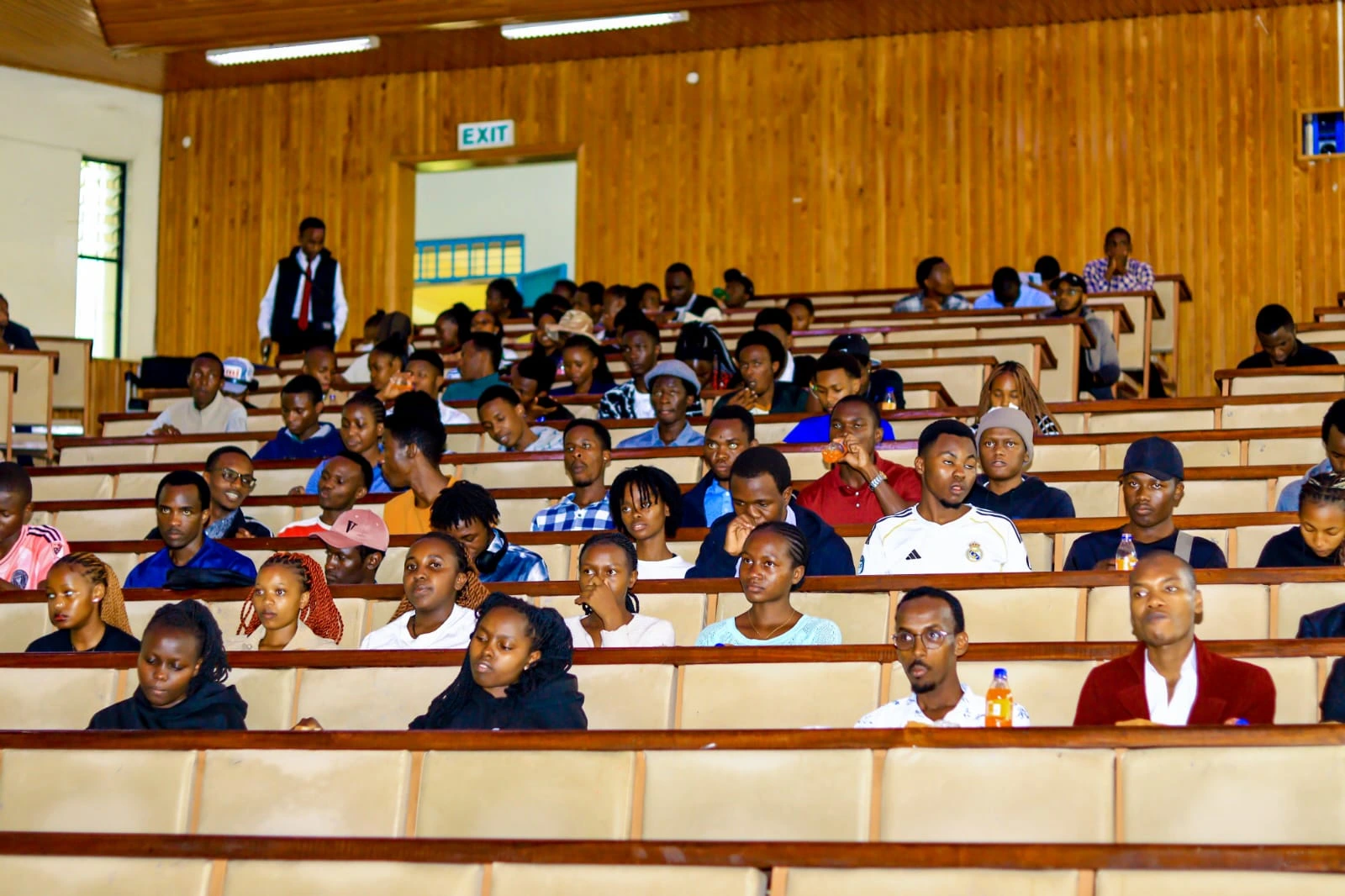
Practical academic engagement and collaborative learning.
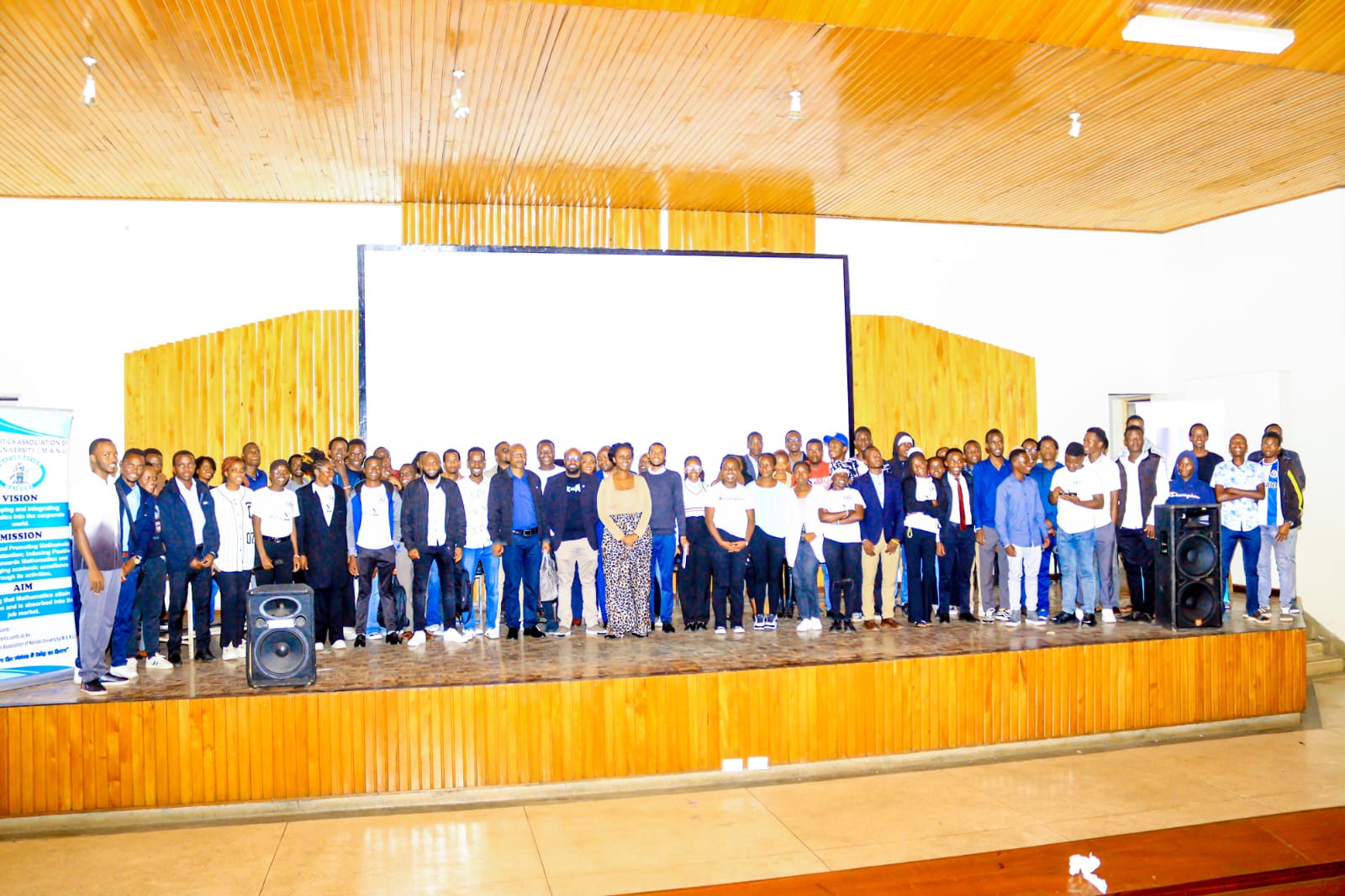
Research and data-focused study experiences.
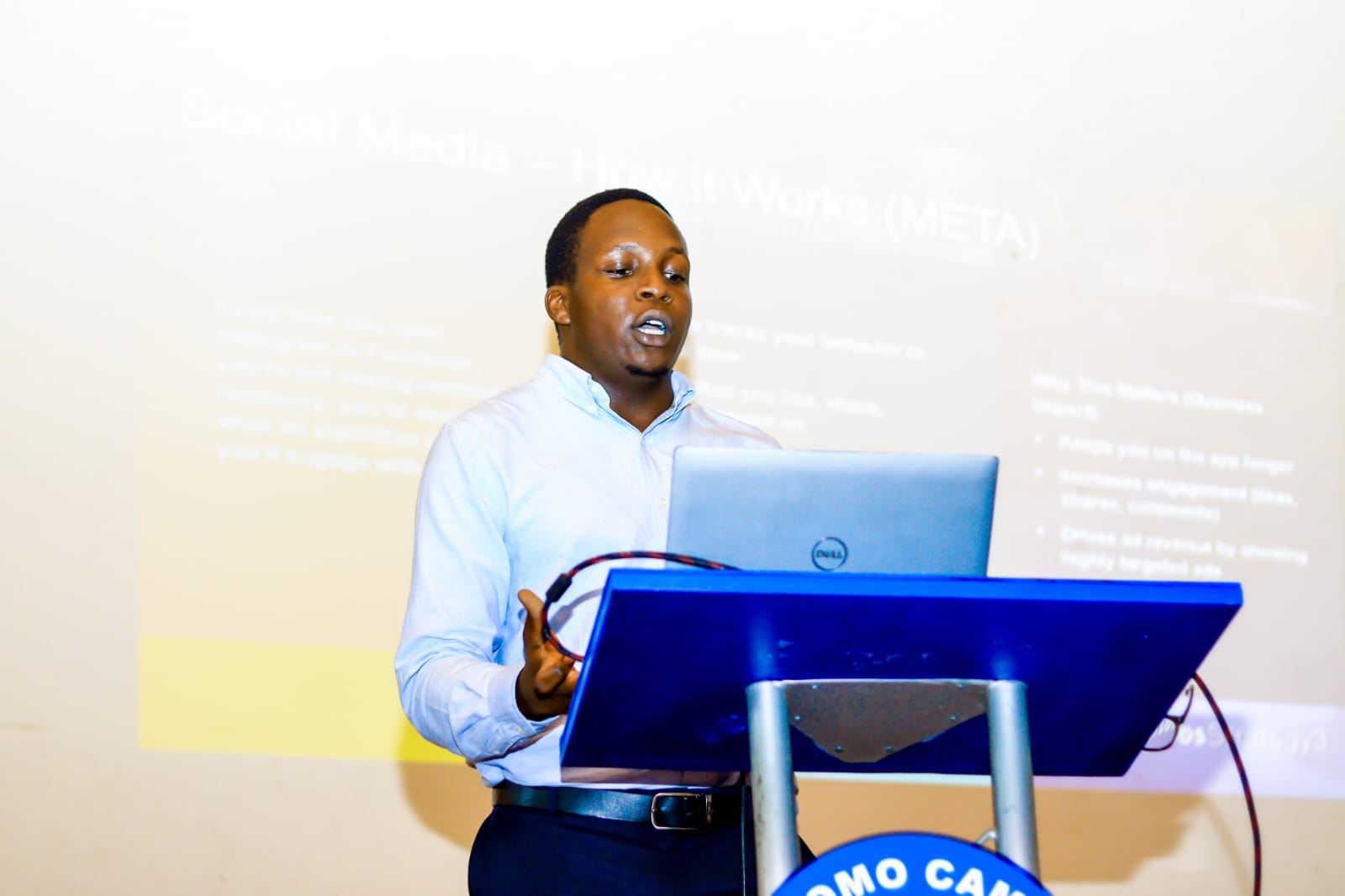
Professional development and partnership opportunities.
Partnerships and sustainability
The Department is intended to align with MANU’s broader partnership ecosystem, supporting sustainable academic programming that connects students with leaders, institutions and practical opportunities. Partnerships and collaboration models are expected to strengthen learning access, programme quality and student preparation over time.